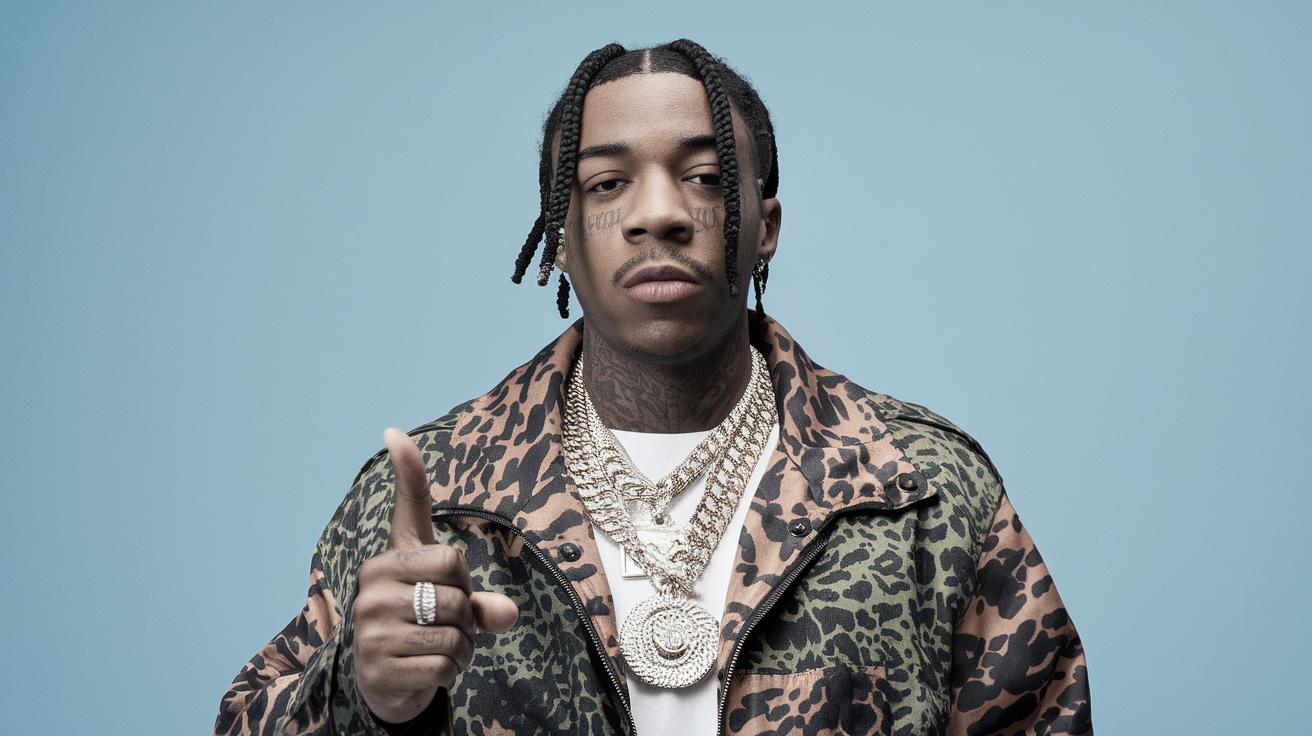
Casanova Sentenced to More Than 15 Years in Federal Prison
The world of hip-hop has long been intertwined with tales of success and setbacks, with numerous artists facing legal battles that capture public attention. Recently, New York rapper Casanova was sentenced to more than 15 years in federal prison, marking a significant legal and personal turning point. This blog post delves into the intricate facets of Casanova’s legal struggles, from his involvement in racketeering and narcotics offenses to the length of his impending incarceration. The larger narrative also sheds light on the broader context of hip-hop’s troubled history with the law.
See 47 of the Longest Prison Bids in Hip-Hop History
Hip-hop has showcased numerous icons who have faced lengthy prison sentences, reflecting the genre’s complex relationship with the legal system. From the early days with figures like Slick Rick and Tupac Shakur to modern artists such as Meek Mill, prison bids have frequently been part of a larger narrative involving societal issues and personal downfalls.
Casanova’s sentencing to over 15 years is a reminder of this ongoing trend. Unlike many industries, hip-hop’s connection to authenticity and real-life struggles often makes legal issues public interest stories. The focus, however, should be on the impact, lessons, and potential for change that these sentences bring to both the artists and their communities.
These long stints often result in a hiatus from the music scene, sparking debates on freedom, redemption, and reinvention. While acknowledging the seriousness of criminal activities, there is always hope in the resilience these artists often show, influencing new conversations around reform and second chances.
The New York Rapper Was Facing Up to Sixty Years in Prison After Pleading Guilty to Drug and Racketeering Charges
Casanova’s legal woes stem from his association with the Untouchable Gorilla Stone Nation Bloods gang, a connection that ultimately led to his arrest and charges relating to drug trafficking and racketeering. Initially, the rapper faced the daunting possibility of up to sixty years in prison, a reflection of the severity of his alleged crimes.
Pleading guilty was a strategic move, likely reducing his sentence but still resulting in significant jail time. Legal experts note that such plea deals often prompt mixed reactions, balancing between accountability and the desire for lesser punishment. For Casanova, the plea marked a turning point, accepting responsibility while hoping for leniency.
This decision underscores a harsh reality for many in hip-hop facing criminal charges: the balancing act between accepting deals and fighting allegations, often in a legal system perceived as unforgiving and complicated by racial and societal biases.
Casanova’s Racketeering and Narcotics Offenses
The charges against Casanova involved racketeering, conspiracy to distribute controlled substances, and involvement in violent activities, all deeply rooted in his alleged affiliation with the Bloods gang. The nature of these offenses showcases the depth of the investigation and its implications on his career and personal life.
Prosecutors argued that Casanova played a significant role in the gang’s operations, using his influence to further its criminal activities. These claims set the stage for the legal battle that culminated in his lengthy sentencing. The high-profile nature of his case draws attention not just to his individual actions but also to larger discussions about gang culture and its impact on communities.
This case highlights how deeply interconnected crime and music can be, raising questions about influence, choice, and the pressures that artists face in their rise to fame. For Casanova, this situation becomes a lesson in the consequences of one’s company and the choices made along the path to success.
How Long Has Casanova Been in Jail?
Casanova has been in custody since his arrest in December 2020, leading up to his sentencing in 2023. This period in jail has been marked by legal preparations and emotional challenges, foreshadowing the extended time he will now serve in federal prison.
The rapper’s time behind bars has been a somber reflection of his career’s trajectory and personal decisions. Each passing day in incarceration serves as a stark reminder of the consequences tied to the lifestyle he chose, both illuminating and complicating his narrative.
As he transitions to serving his sentence, the question remains: how will Casanova’s imprisonment shape his future artistic expressions, and what lessons will he impart when the time comes to share his story? These considerations, pivotal for his personal growth and public perception, linger as he faces this new chapter.
Future Prospects
| Section | Summary |
|---|---|
| Longest Hip-Hop Prison Bids | Examines the history of lengthy prison sentences in hip-hop, highlighting the complex bond between the genre and legal challenges. |
| Casanova’s Potential 60-Year Sentence | Details Casanova’s initial threat of a 60-year sentence, his guilty plea, and the common theme of rappers negotiating serious criminal allegations. |
| Racketeering and Narcotics Charges | Discusses Casanova’s charges related to drug trafficking and his links with the Bloods gang, revealing his influence and actions. |
| Time Already Served | Summarizes Casanova’s jail time since late 2020, reflecting on the implications for his future artistic and personal life. |
| Impacts and Outlook | Considers the lessons and potential narratives emerging from Casanova’s experience as he prepares for his future beyond prison. |