
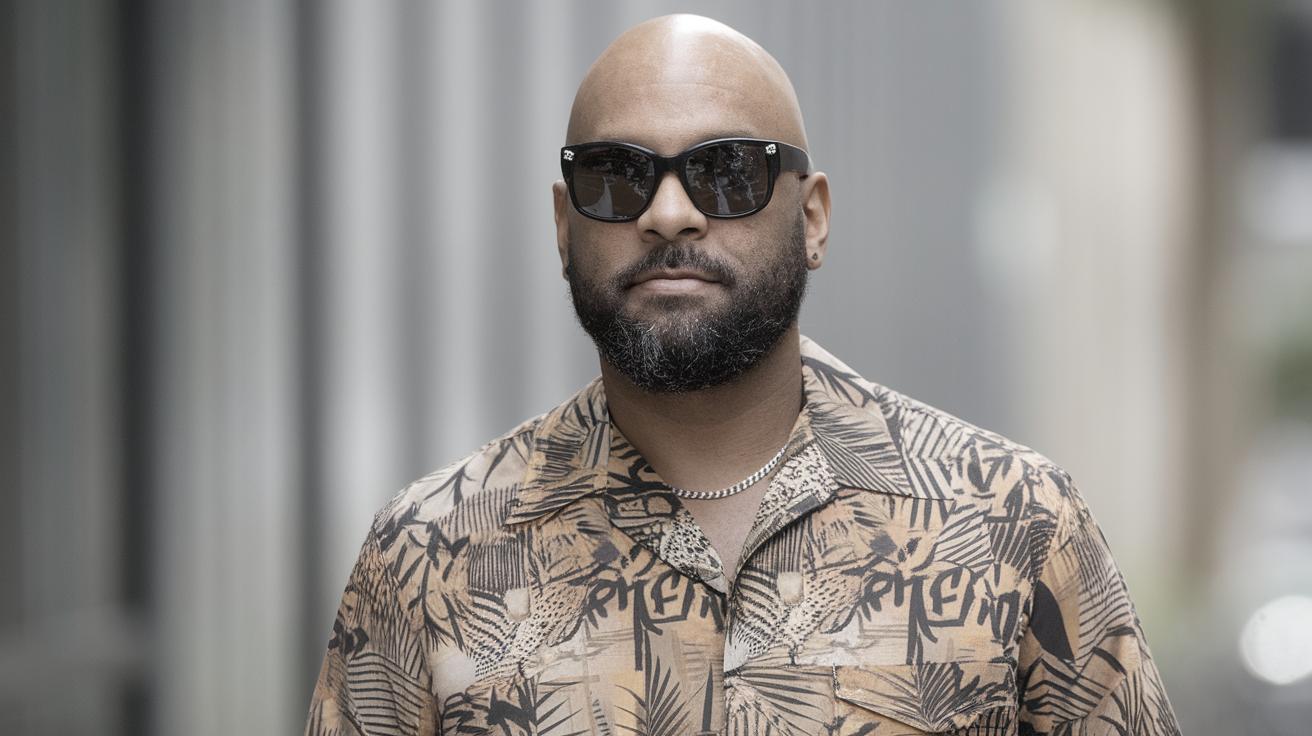
Pooh Shiesty Sentenced to Five Years in Prison for Florida Gun Altercation
Pooh Shiesty, a rising star in the hip-hop industry from Memphis, has faced a significant legal setback as he receives a five-year prison sentence for a gun-related altercation in Florida. This development follows his guilty plea to a conspiracy charge, shaking his burgeoning career. Amidst the whirlwind of legal proceedings, Pooh Shiesty’s case has drawn attention to the pervasive issue of criminal activities within the hip-hop community. This blog post delves into the specifics of his legal troubles, draws comparisons with other longtime prison sentences in hip-hop, and reflects on the implications for the artist’s future and the music industry at large. By examining the broader cultural and legal context, readers can gain a nuanced understanding of the challenges and consequences faced by artists in similar predicaments.
See 47 of the Longest Prison Bids in Hip-Hop History
The intersection of crime and hip-hop is not new. Numerous artists have found themselves entangled in legal battles that often culminate in long prison sentences. From historical figures like Tupac Shakur to modern artists such as Bobby Shmurda, hip-hop has seen its share of high-profile incarcerations. These events not only reflect individual downfalls but also underscore the systemic issues that pervade both the music industry and socio-economic landscapes from which many of these artists emerge.
Pooh Shiesty’s five-year prison sentence adds his name to a growing list of hip-hop artists whose careers were interrupted, sometimes irreparably, by legal troubles. Analyzing these cases reveals patterns of behavior and legal responses that indicate broader societal challenges. The incarceration of hip-hop artists often ignites debates about justice, celebrity influence, and the responsibilities that come with fame. As we consider Pooh Shiesty’s sentencing, it is crucial to reflect on these broader themes and the persistent cycle of crime and punishment in the hip-hop world.
The Memphis rapper pleaded guilty to a conspiracy charge back in January.
In January, Pooh Shiesty, whose real name is Lontrell Williams, pleaded guilty to a federal conspiracy charge linked to a firearms case in Florida. This plea was part of a deal with prosecutors to lessen potential life-altering consequences. The charges stemmed from an October 2020 incident where Shiesty and two others were involved in a gunfire exchange during a street transaction that turned chaotic and violent. Surveillance footage and photographic evidence led to his arrest, prompting a highly publicized legal saga.
The guilty plea marked a pivotal moment in Shiesty’s life and career. Opting for a plea deal is a strategic decision often employed to mitigate the risk of harsher penalties. However, it also signifies an acknowledgement of involvement in criminal activity, an admission that inevitably impacts public perception and career prospects. For Shiesty, the plea deal’s outcome reinforces the fragile balance between musical success and personal choices, a story all too common in the world of hip-hop.
More from CBS News
CBS News has extensively covered Pooh Shiesty’s case, providing updates on the proceedings and insights into the broader implications of his sentencing. The coverage highlights not just the legal aspects but also the cultural and social influences that shape such incidents. Through interviews with legal analysts and music industry experts, CBS News offers a comprehensive overview of the case’s impact on Pooh Shiesty’s career and the hip-hop community.
Further analysis by CBS delves into the challenges faced by artists who navigate fame under the shadow of potential legal troubles. They emphasize the importance of understanding the environments and pressures that often lead artists, especially those from disadvantaged backgrounds, into criminal activities. This narrative by mainstream media serves as a reminder of the complexities at play when evaluating the choices and consequences faced by artists like Pooh Shiesty.
Featured Local Savings
Amid the overshadowing news of Shiesty’s sentencing, outlets highlight community-driven efforts aimed at crime prevention and youth empowerment. In local communities, initiatives are underway to offer alternative pathways for young aspirants who might otherwise be drawn into criminal activities. Through mentorship programs and creative workshops, these initiatives embody a proactive approach to addressing the root causes of crime.
Engaging with local communities offers hip-hop artists an opportunity to reshape narratives and leverage their influence positively. As Pooh Shiesty’s case brings renewed attention to these issues, it’s also a call to action for peers and industry stakeholders to invest in fostering environments that encourage artistic expression while steering clear of criminal pitfalls. By doing so, they can pave the way for a more positive and sustainable future for upcoming artists.
| Section | Summary |
|---|---|
| Introduction | An overview of Pooh Shiesty’s sentencing and its implications. |
| The Longest Prison Bids | Discussion on historical and modern instances of hip-hop artists facing long prison sentences. |
| Guilty Plea | Insight into the plea deal that Pooh Shiesty accepted and its consequences. |
| CBS News Coverage | Analysis of media coverage on Shiesty’s case highlighting cultural impacts. |
| Local Savings | Highlight of community efforts to prevent crime through proactive programs. |